her Language Still Breathes
Theme Introduction:
This thesis project uses Nüshu as a framework to explore questions of authorship, visibility, and cultural memory. Getting into the installation, visitors are invited to engage with a language historically created by women whose voices were excluded from dominant systems of literacy and historical documentation. By bringing Nüshu into a contemporary context, the project seeks to create new forms of dialogue between past and present, while imagining alternative ways that marginalized histories can be remembered, shared, and sustained.
Historical Background:
Originating in Jiangyong County, Hunan Province, Nüshu is widely recognized as the only known writing system historically created and used exclusively by women. Developed within a society where women had limited access to formal education and public expression, Nüshu became a means of communication, emotional support, and collective memory. Through letters, poems, and embroidered texts, generations of women documented personal experiences that were often absent from official historical records. Although the language has largely disappeared from everyday use, it remains a powerful symbol of resilience, authorship, and the preservation of marginalized voices.
Bookmark Design:
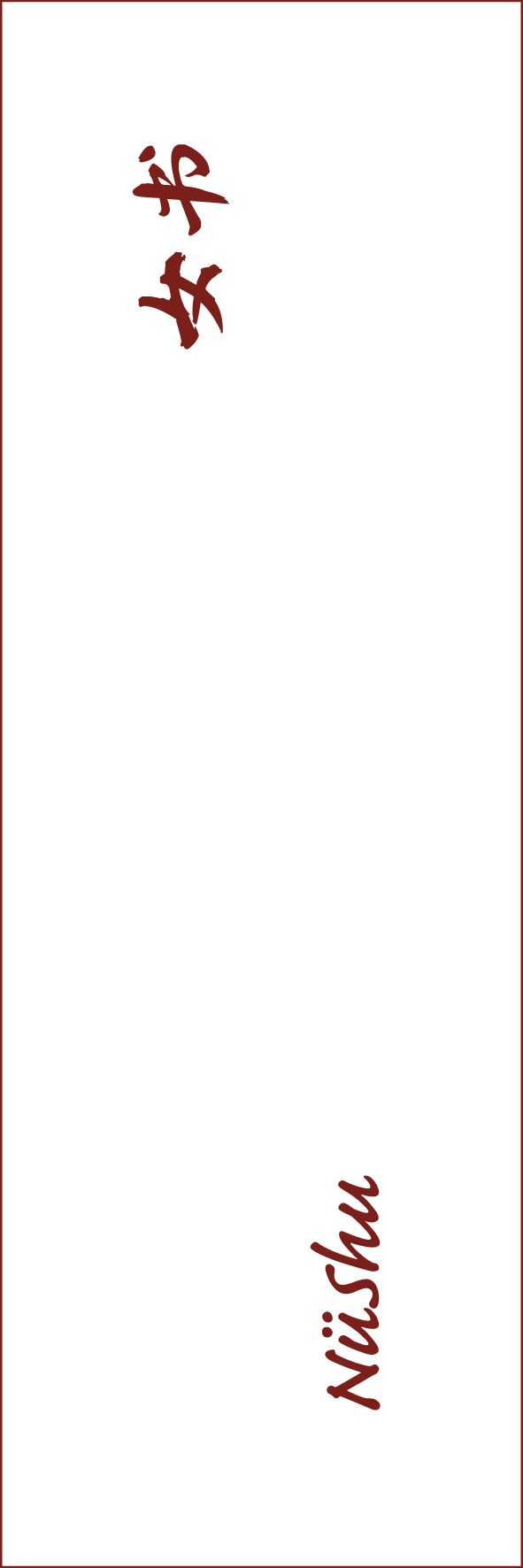
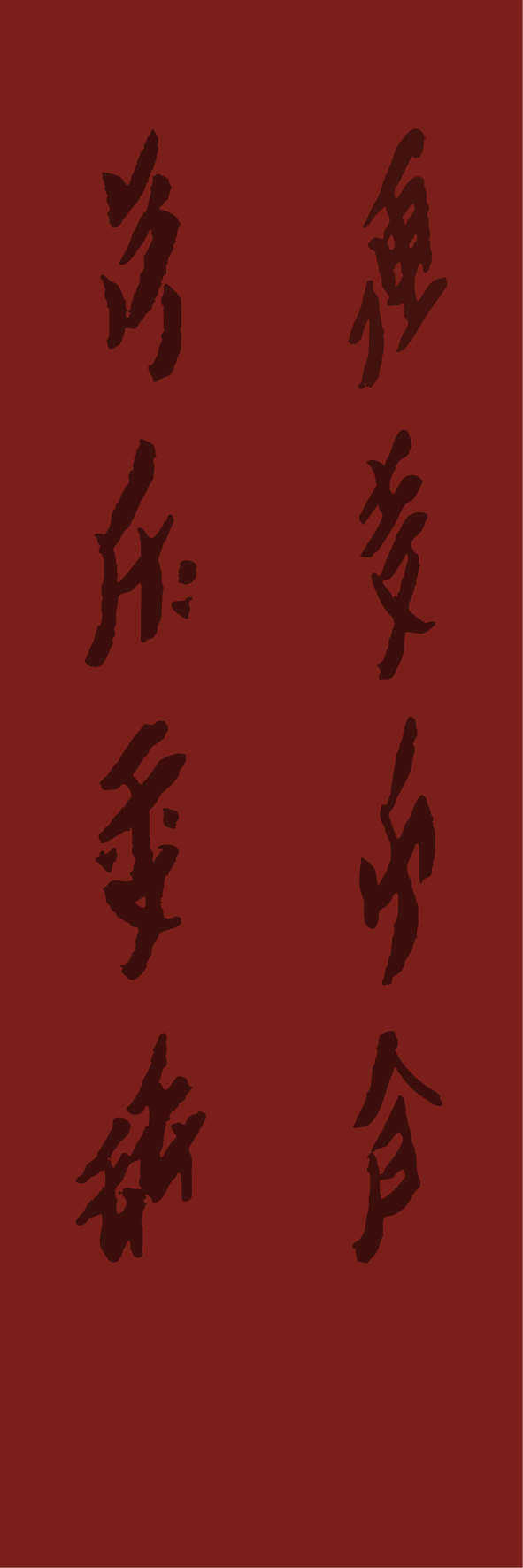
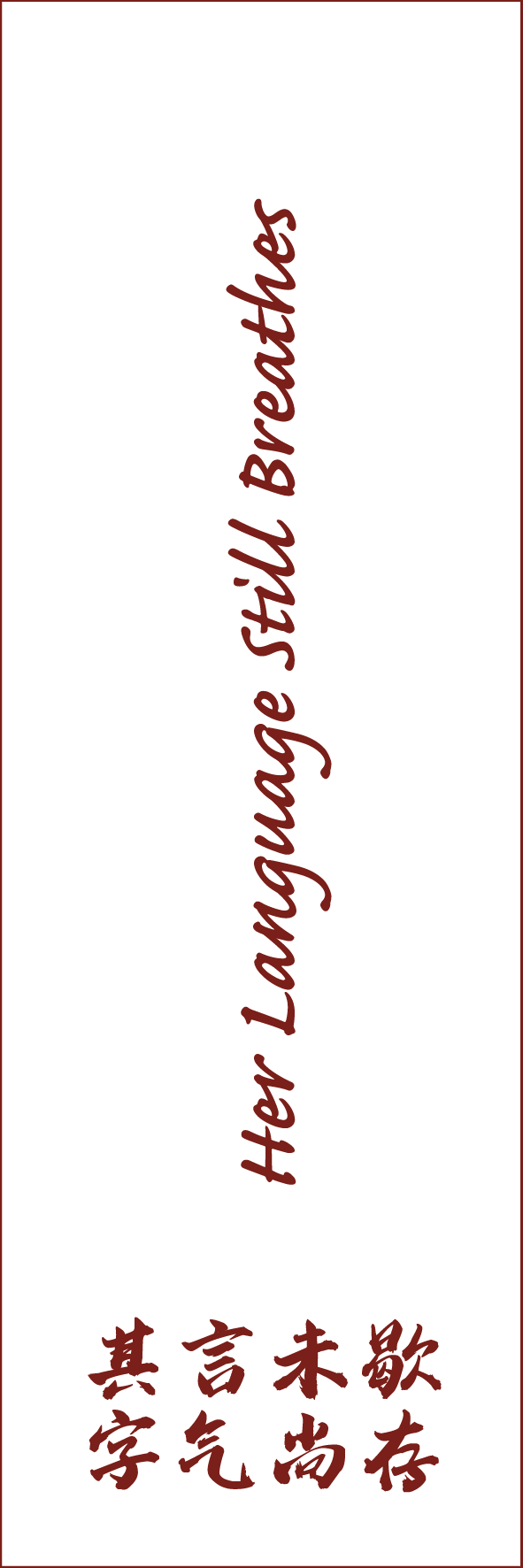
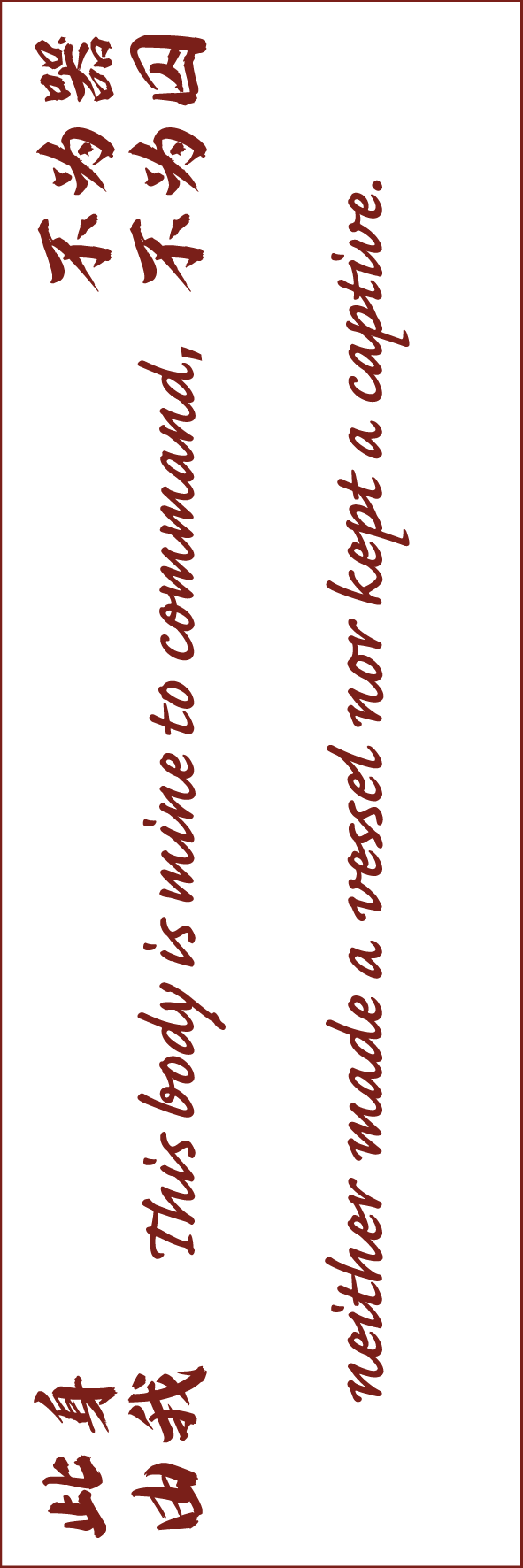
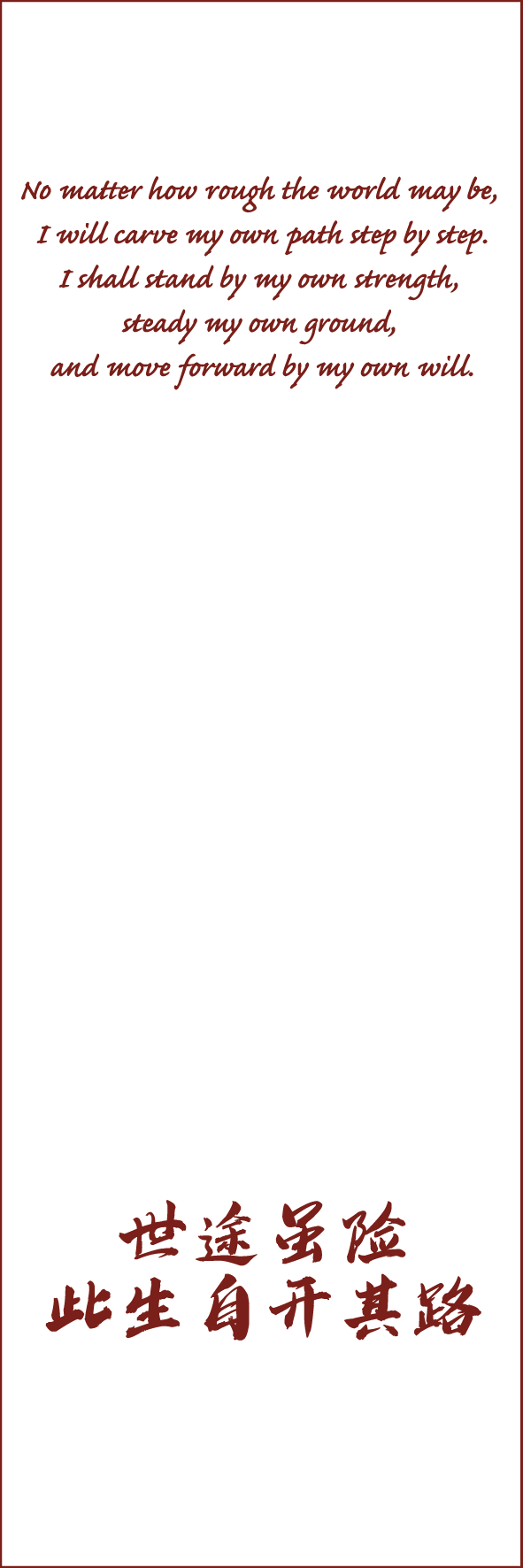
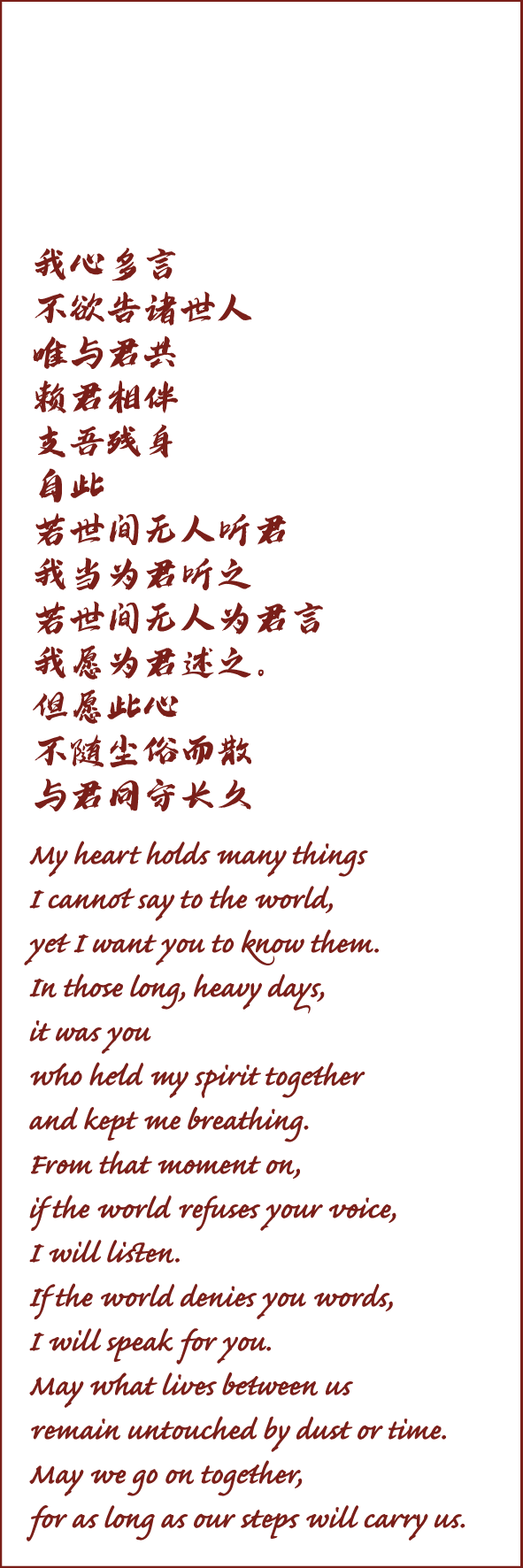
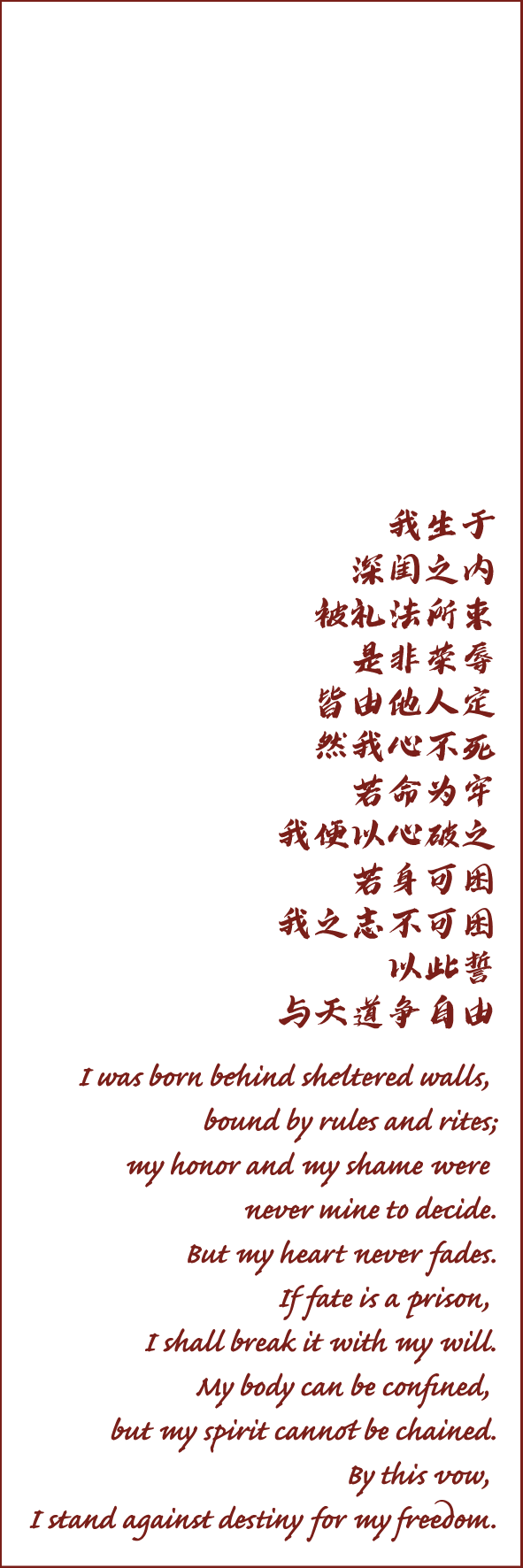
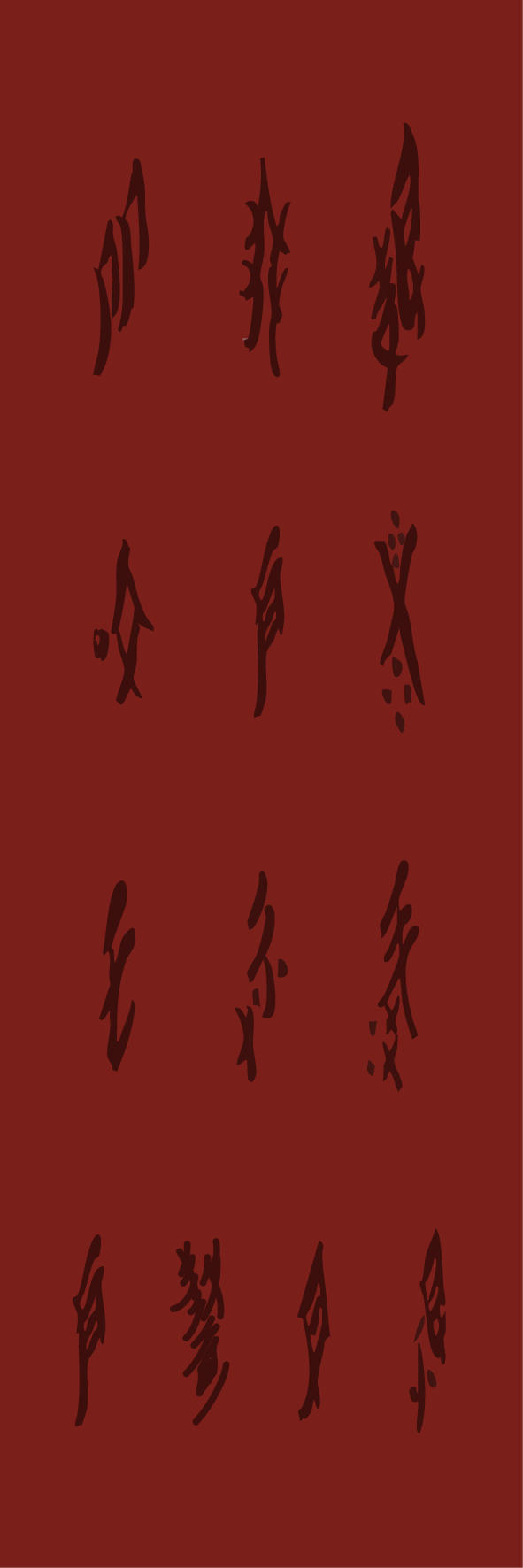
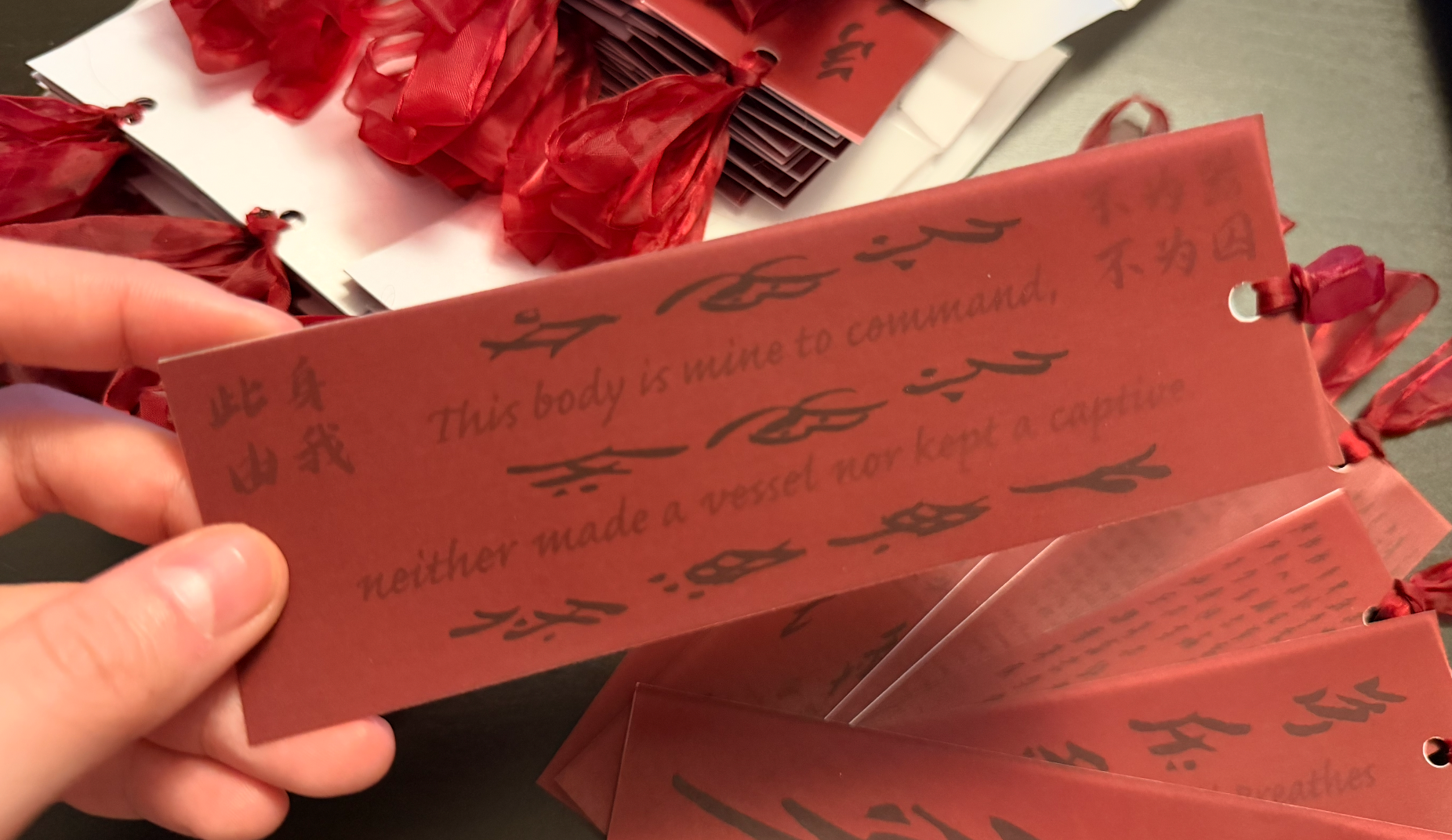
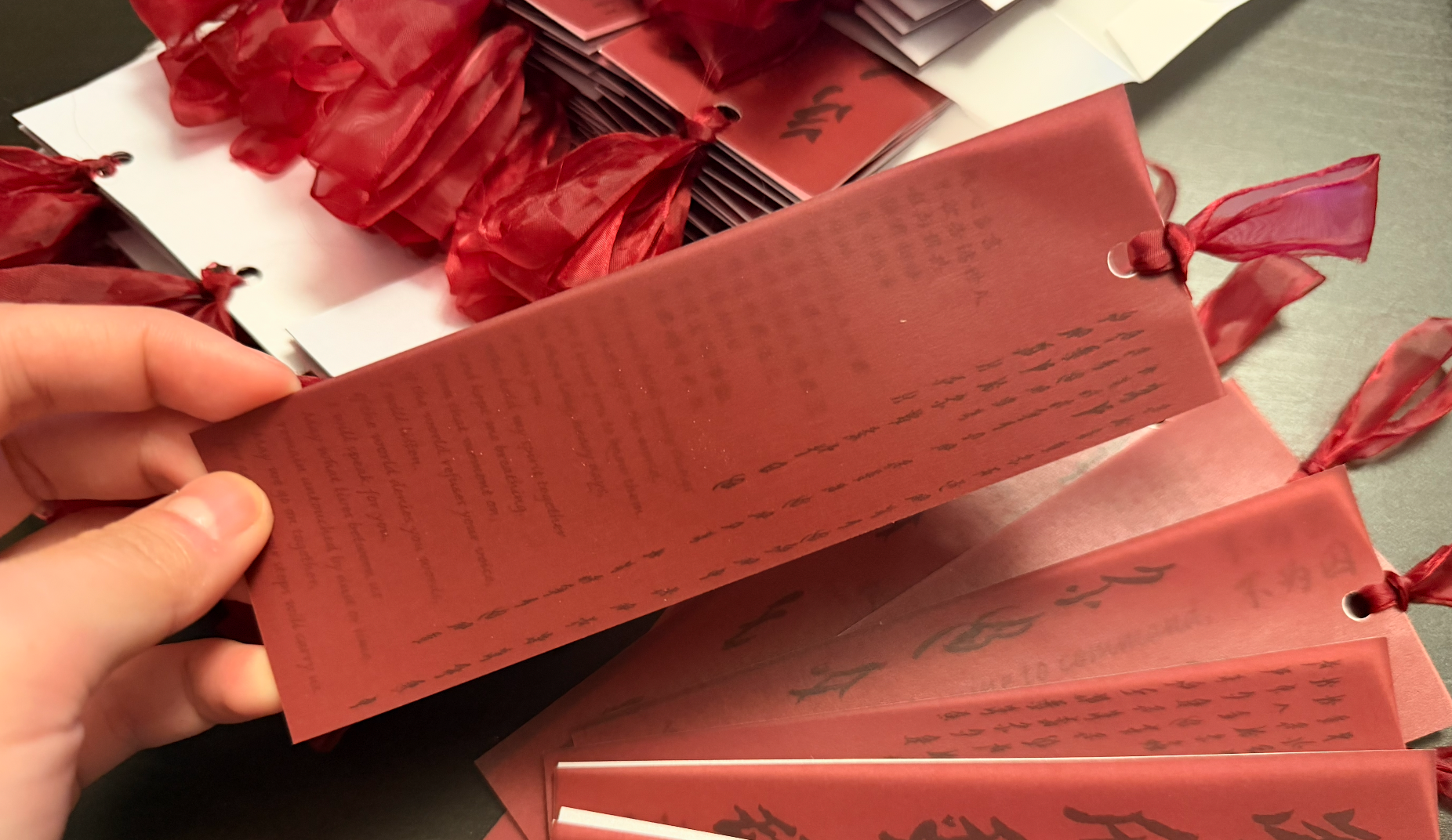
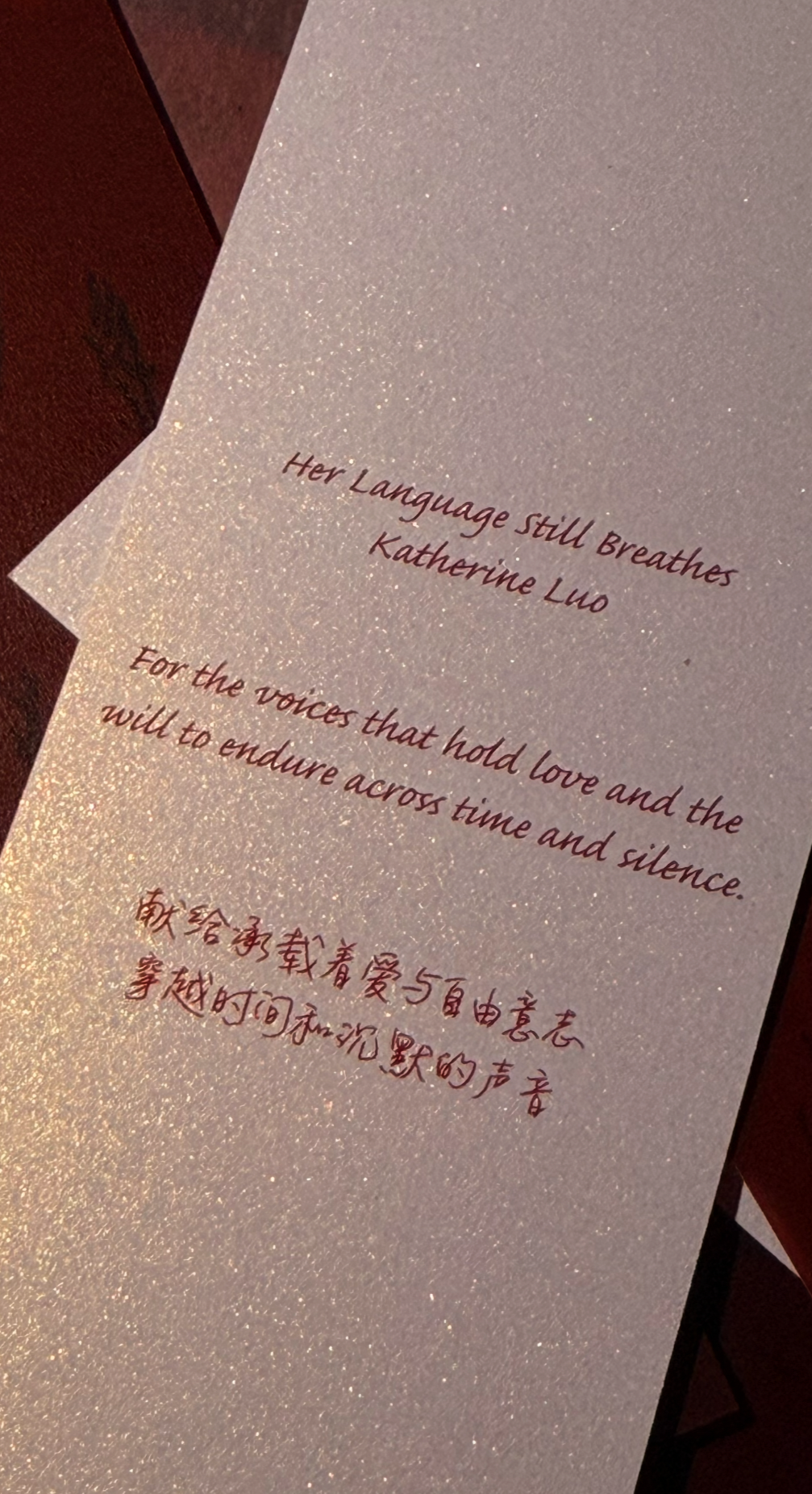
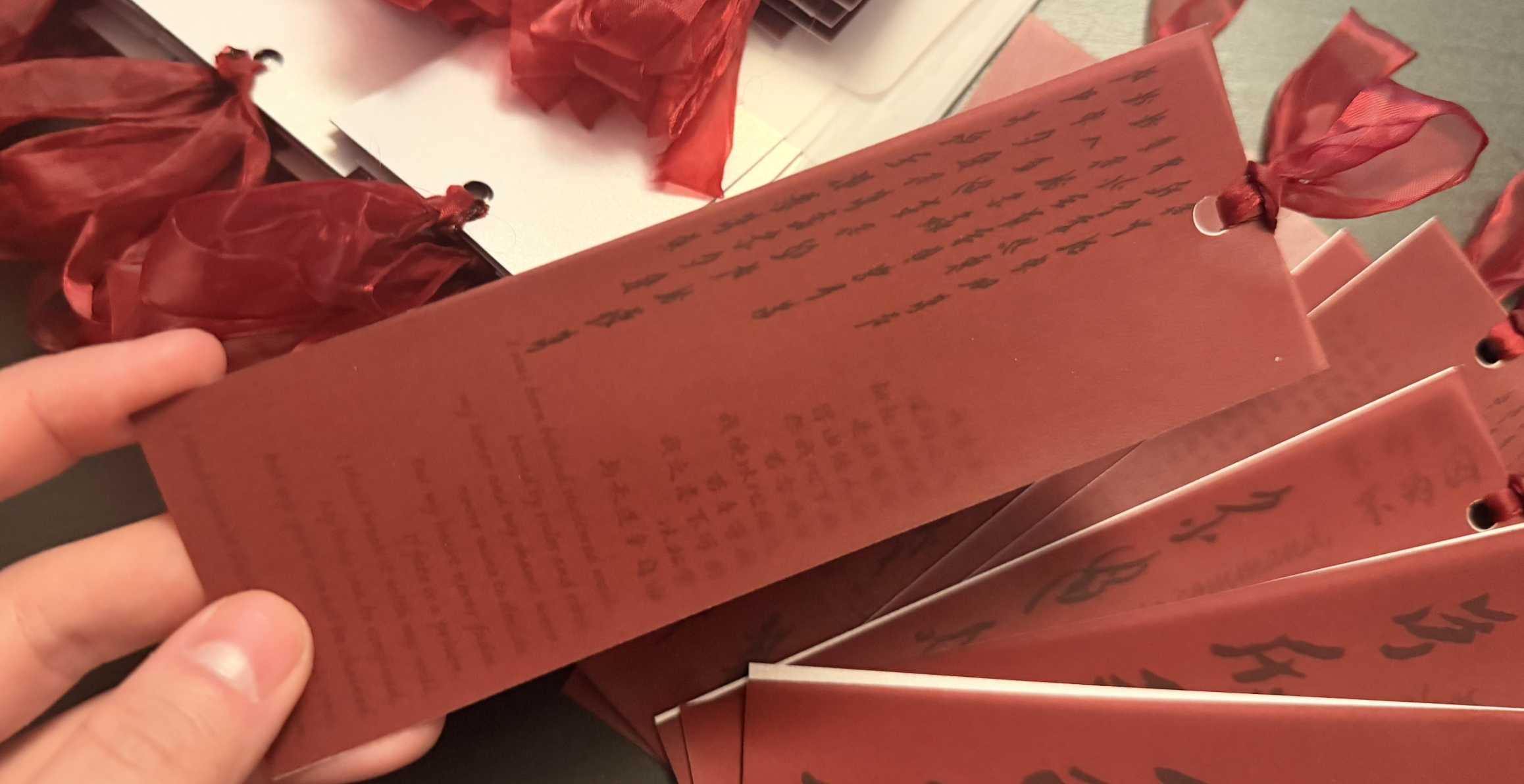
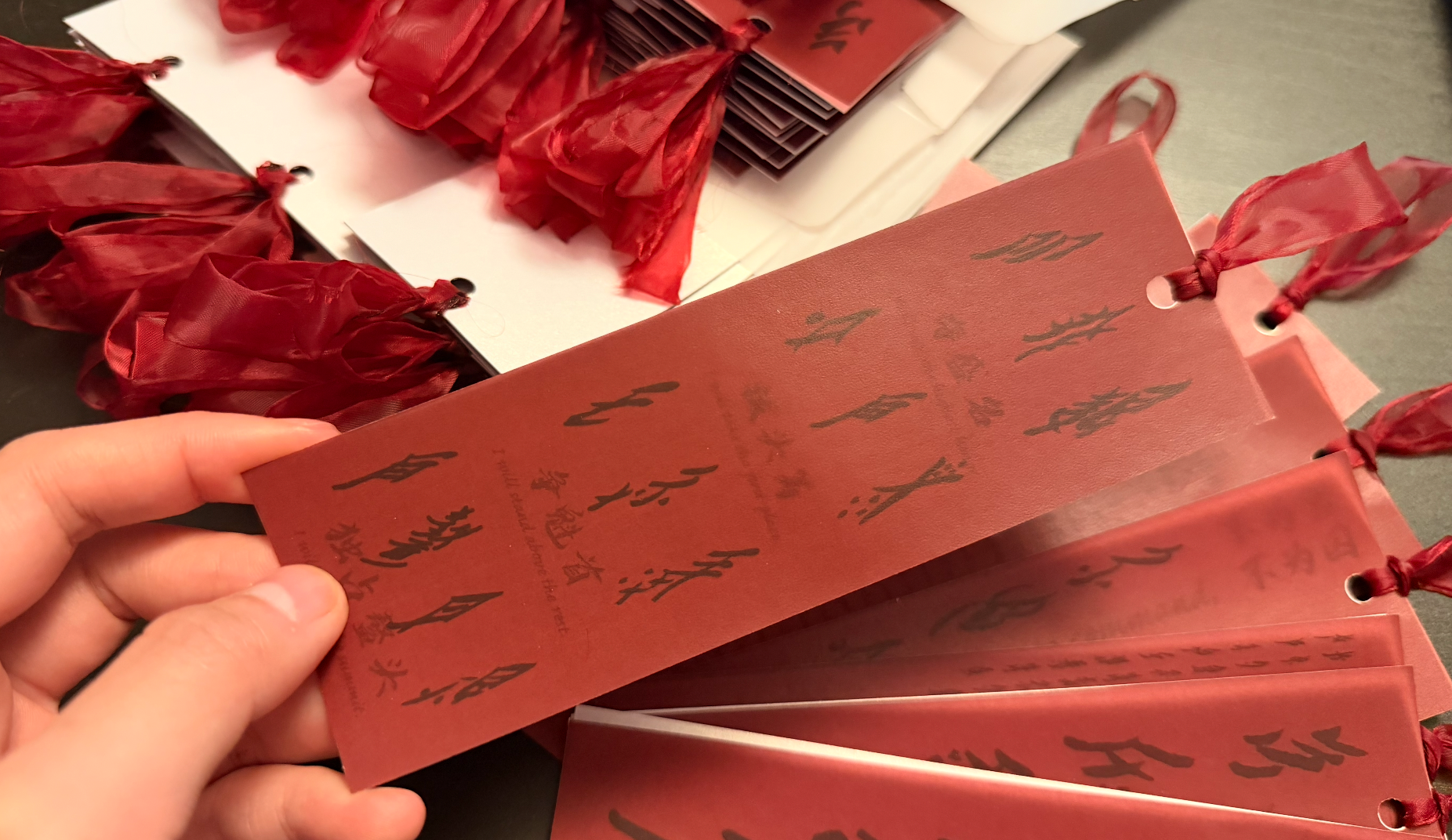
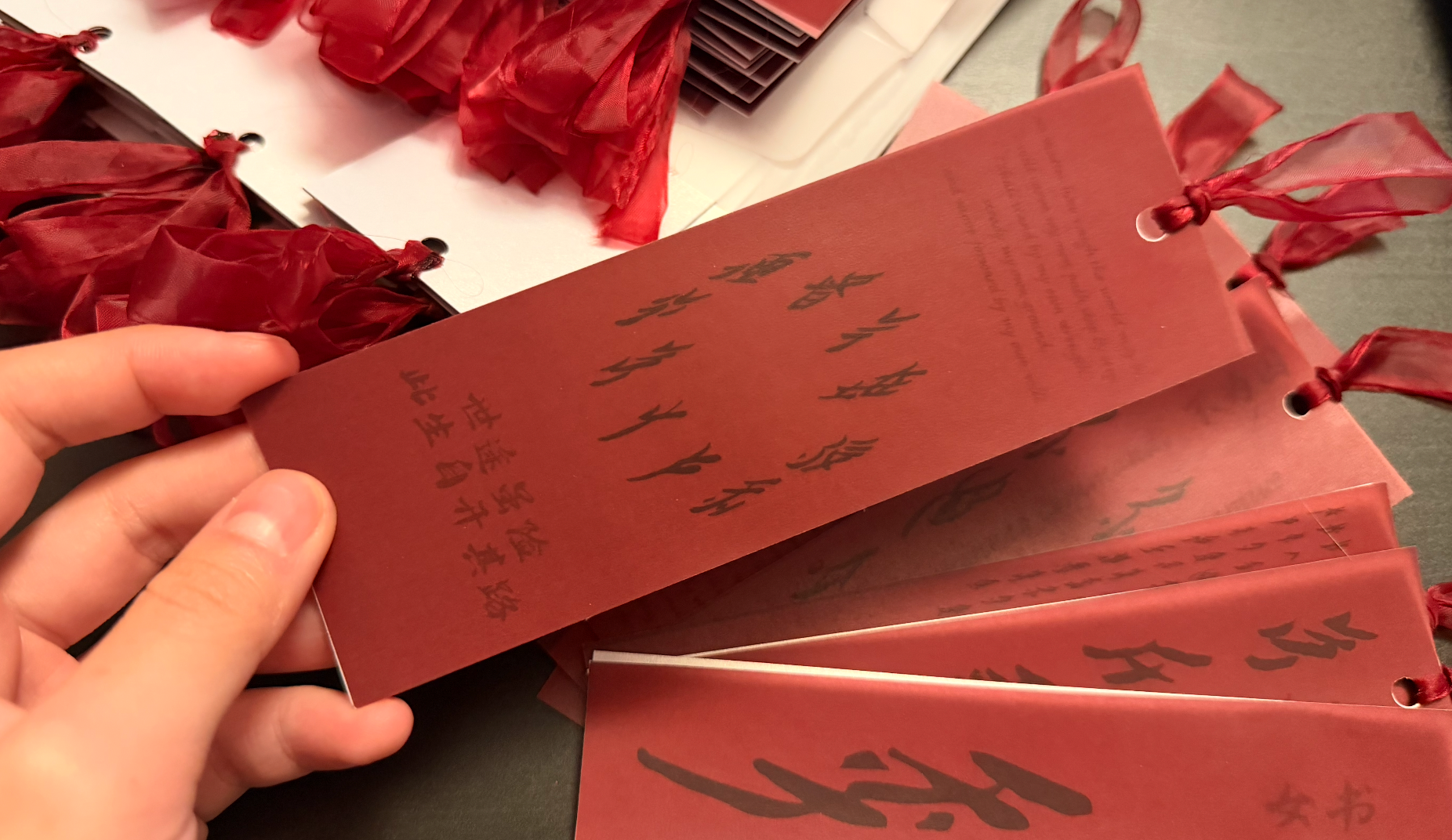
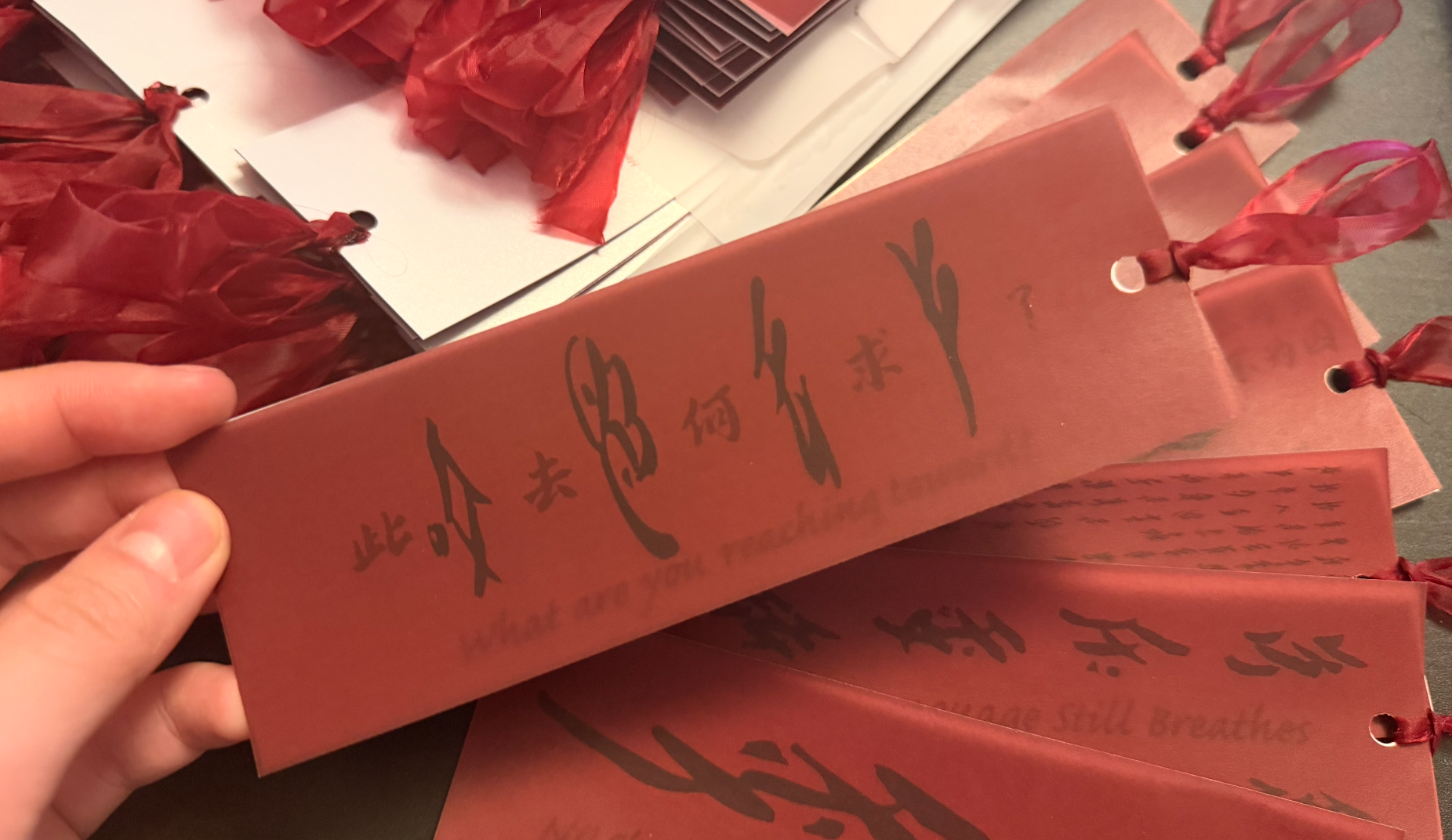
As an entry point into the project, a series of bookmarks was developed to introduce audiences to the visual language of Nüshu. Drawing inspiration from traditional manuscript formats and the elongated structure of Nüshu characters, the bookmarks transform historical symbols into portable objects of engagement. Each bookmark functions as both an educational artifact and a personal keepsake, encouraging visitors to encounter the writing system through close observation and physical interaction. By translating archival material into an accessible contemporary format, the design creates an initial connection between historical knowledge and everyday experience. The bookmark serves as a metaphor for the transmission of knowledge across generations, echoing the historical role of Nüshu as a medium through which women shared stories, emotions, and lived experiences.





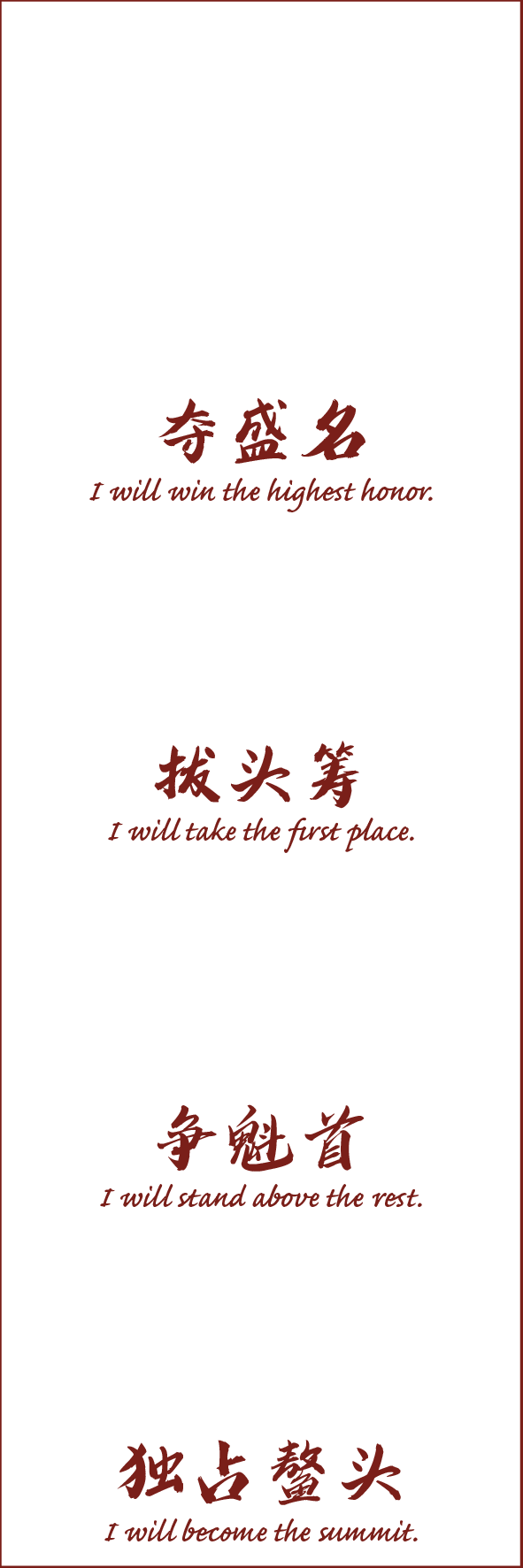

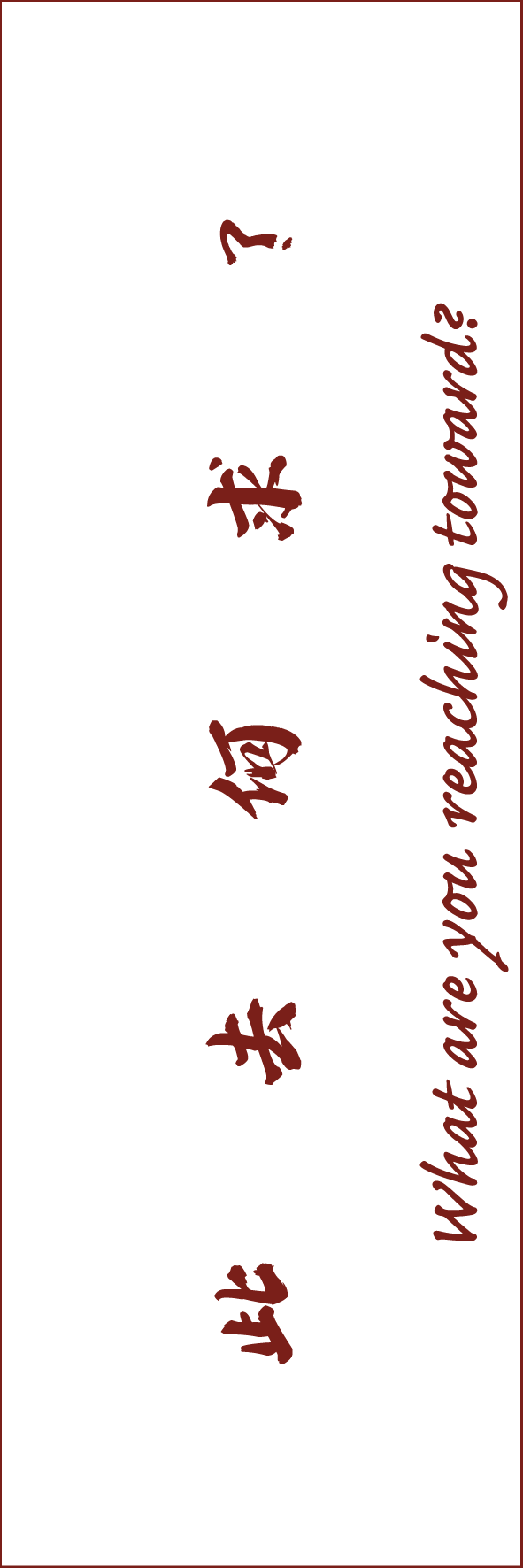
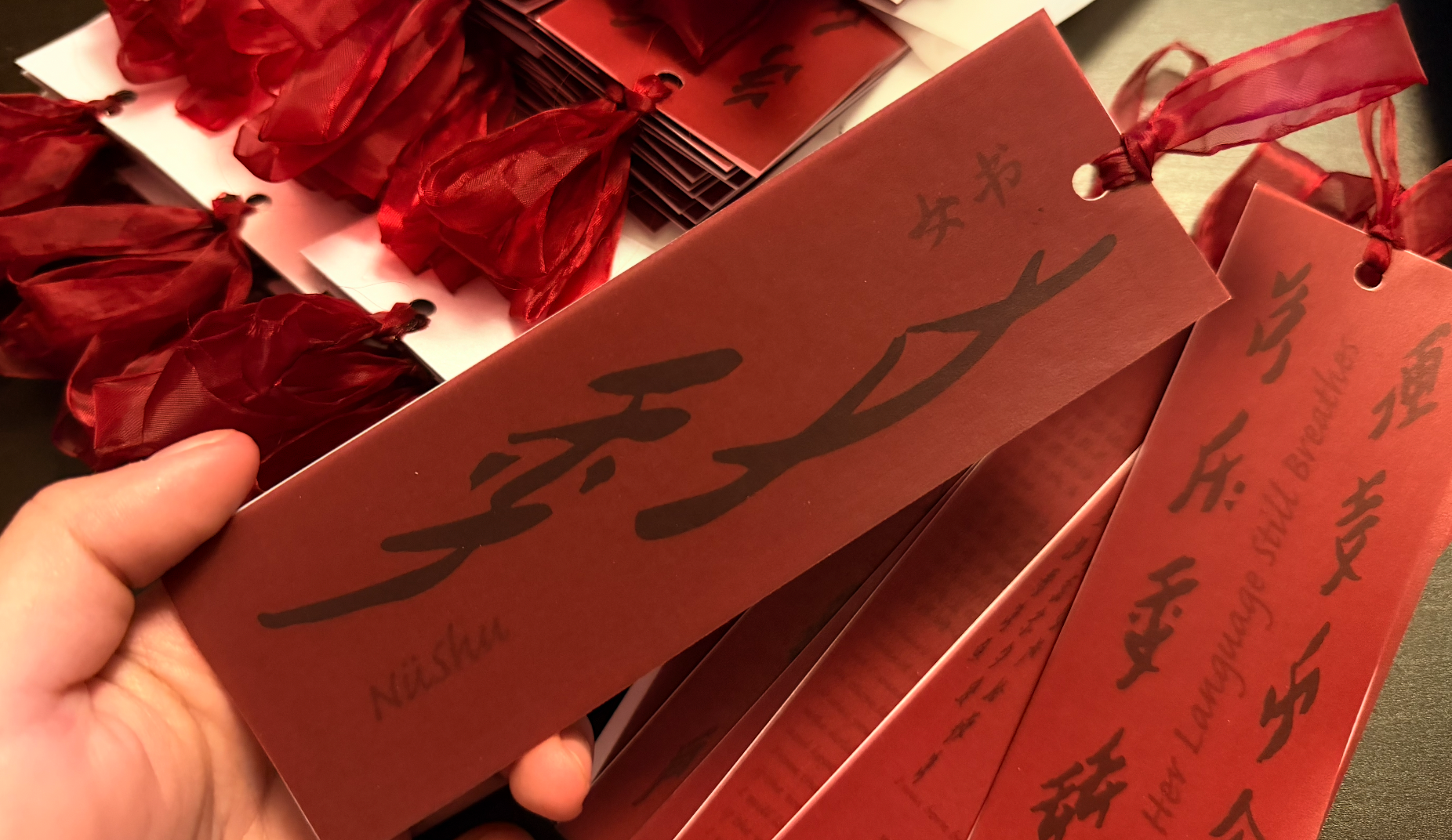
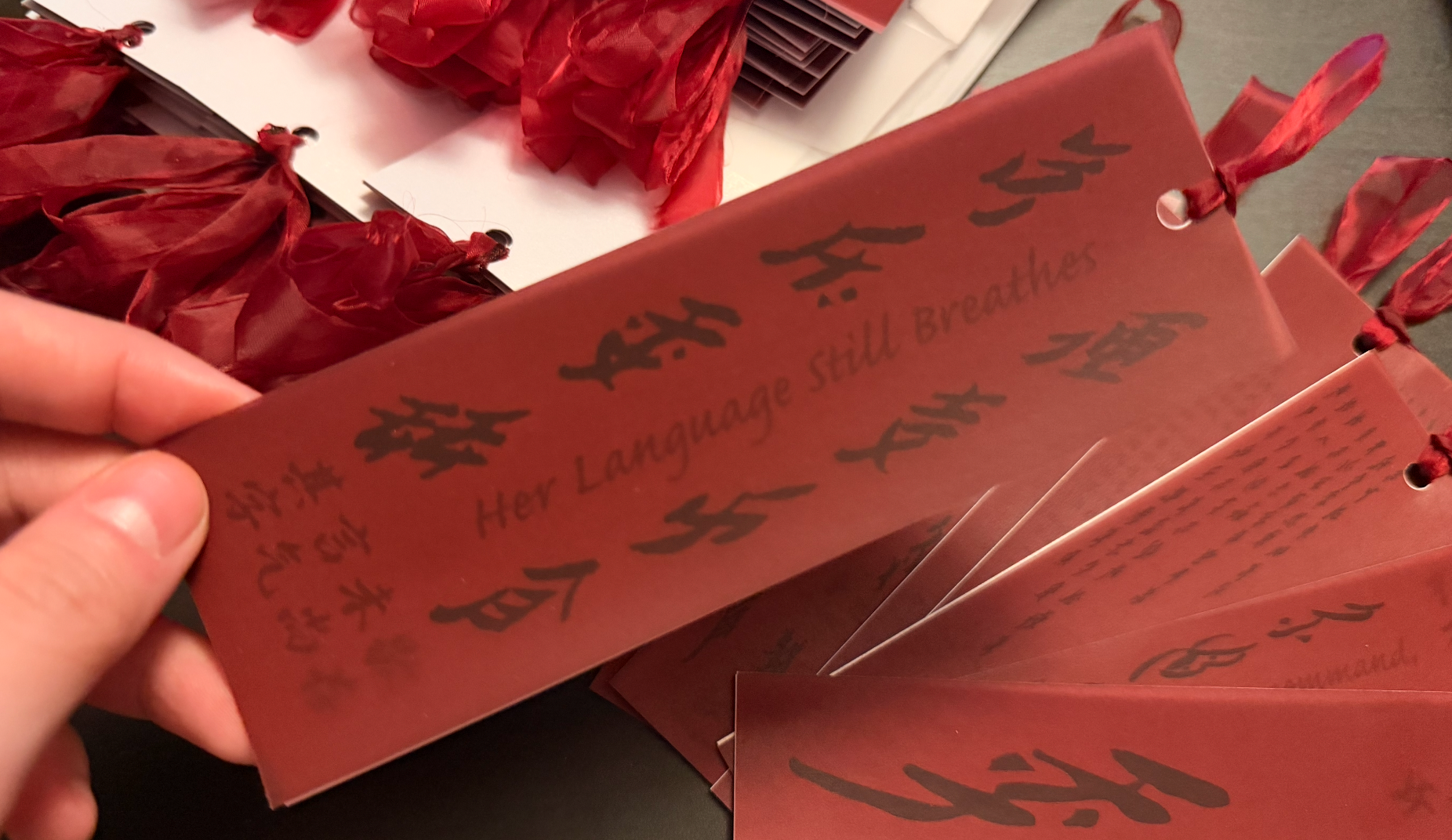
While Nüshu originated within a specific historical and cultural context, the questions it raises remain relevant today. Who has the power to create language, record experiences, and shape collective memory? Which voices become part of history, and which are left unheard? By recontextualizing Nüshu through contemporary design, this project encourages audiences to reflect on the ongoing relationship between communication, identity, and representation. Rather than looking solely toward the past, the project imagines new possibilities for preserving and amplifying voices that continue to exist at the margins of dominant narratives.